Across the global funeral industry, a quiet but significant shift is underway. More professionals, providers, and families are questioning the environmental cost of traditional burial and cremation practices. In response, natural burial is emerging as a responsible and increasingly preferred alternative that aligns with sustainability, simplicity, and cultural sensitivity.
This article explores the relevance of natural burial in today’s funeral landscape, supported by research and real-world developments, and outlines how funeral professionals and institutions can engage meaningfully in this evolving space.
- What is Natural Burial?
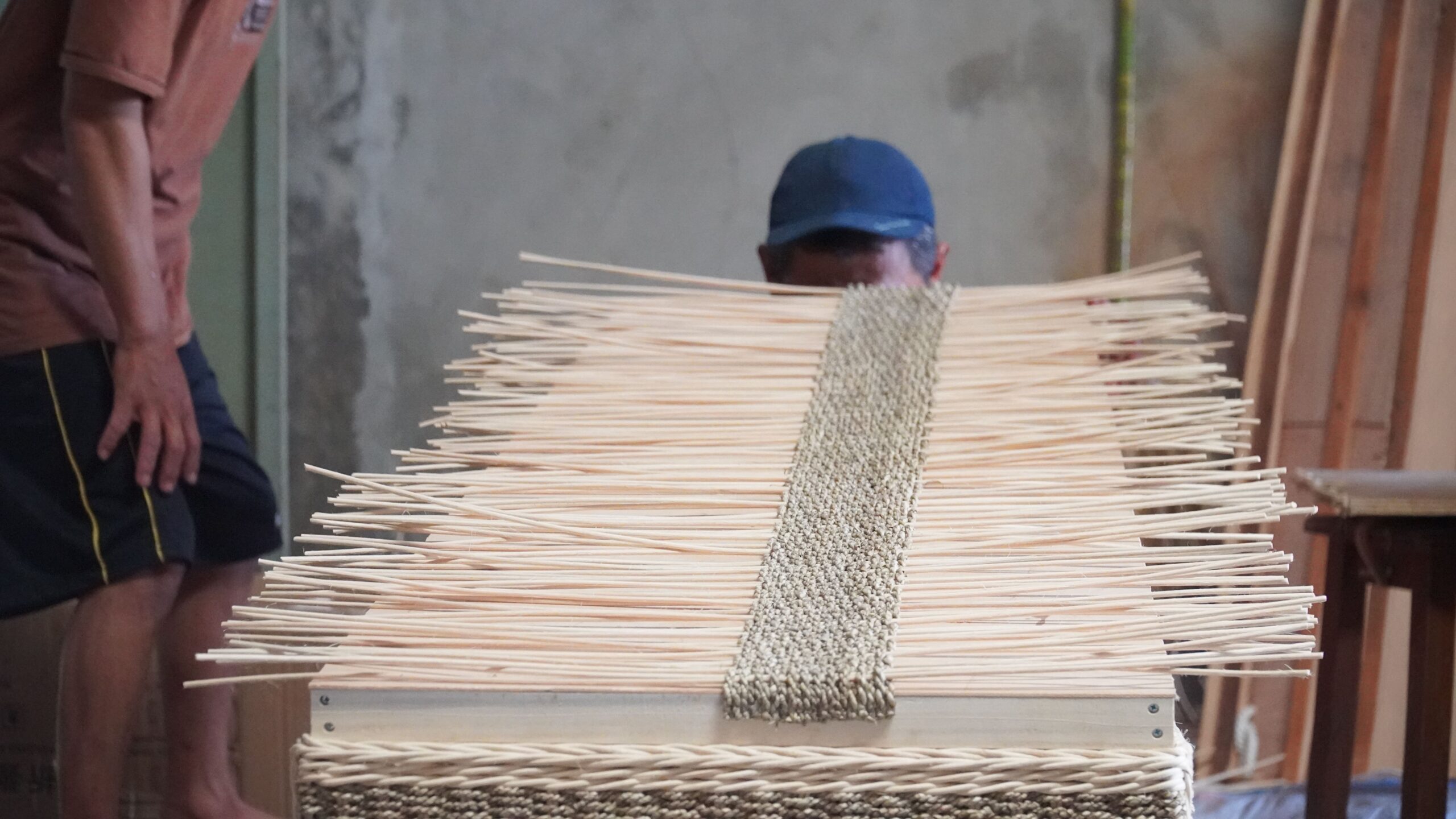
Natural burial, sometimes referred to as green burial, is a method of laying the deceased to rest without the use of embalming chemicals, metal caskets, or concrete burial vaults. The body is placed in a biodegradable container or shroud and returned to the earth in a way that allows for natural decomposition and minimal environmental disturbance.
According to the Green Burial Council, the goal is to create burial practices that “conserve natural resources, reduce carbon emissions, protect worker health, and preserve habitat.”
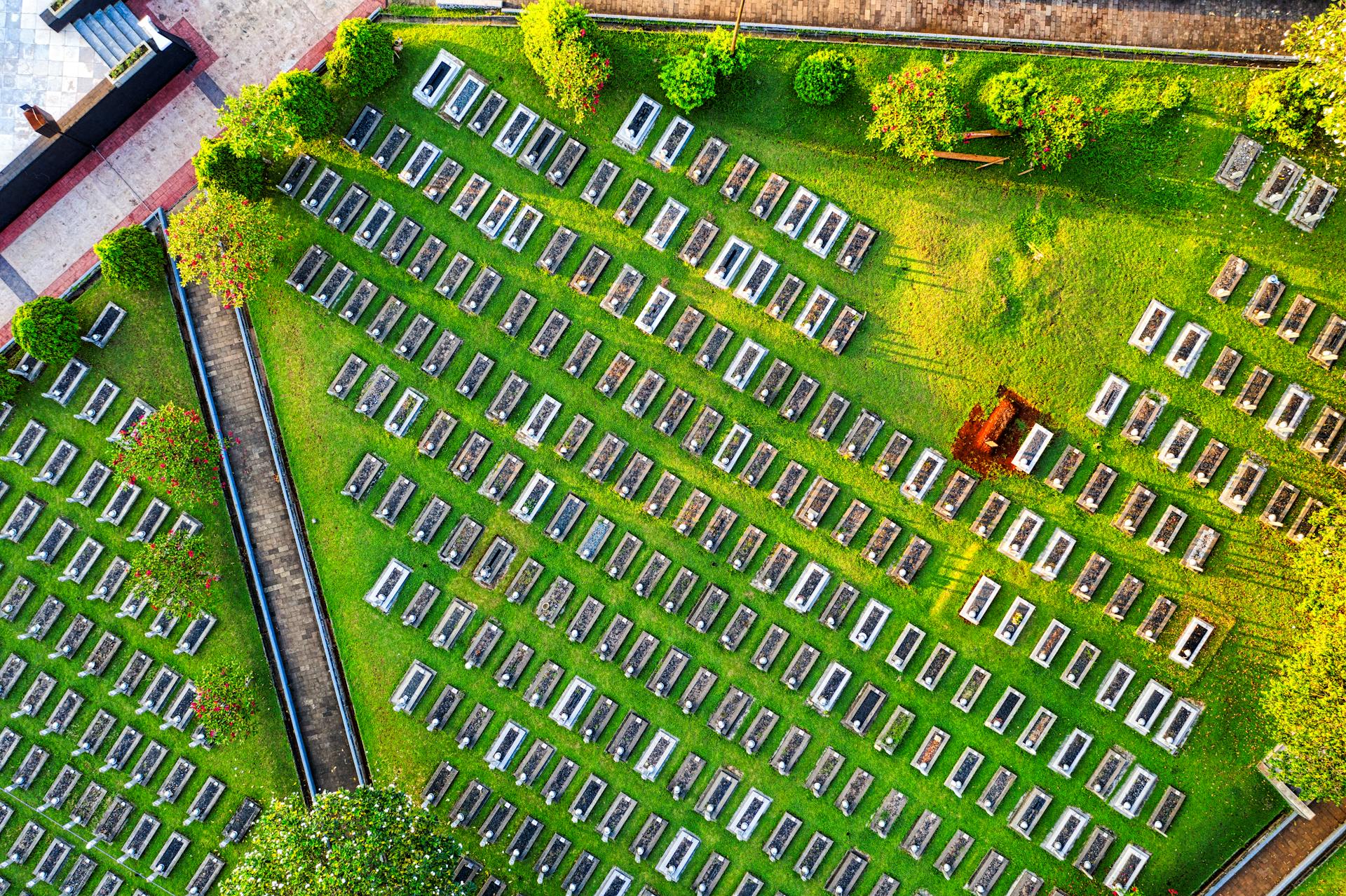
The principle is simple: to let the body return to the earth as naturally and respectfully as possible, in alignment with ecological cycles.
- Why It Matters: Environmental and Ethical Impacts
Conventional funerals, though deeply rooted in tradition, can leave a heavy ecological footprint. A 2021 report from the Berkeley Planning Journal found that the average traditional burial in the United States uses roughly 30 million board feet of hardwood, 1.6 million tons of reinforced concrete, and 800,000 gallons of embalming fluid each year.
Cremation, though often considered a cleaner option, emits an average of 534.6 pounds (242.5 kg) of CO₂ per body (NFDA, 2020).
Natural burial offers an alternative that is less resource-intensive, avoids toxic chemicals, and supports land conservation efforts. In addition to environmental benefits, it also aligns with ethical values increasingly embraced by modern consumers: transparency, simplicity, and ecological responsibility.
“People are not only rethinking how they live, but also how they leave.”
— Mark Harris, author of “Grave Matters”
- What This Means for Funeral Industry Partners
For funeral homes, cemeteries, distributors, and related service providers, understanding and adapting to this shift is not only relevant, it is essential.
Offering natural burial options allows businesses to:
- Stay aligned with changing customer expectations
- Demonstrate environmental responsibility
- Expand service offerings without high investment
- Build long-term trust with ethically minded families and institutions
More importantly, it positions your organization as part of a meaningful transformation that acknowledges the role of death care in a sustainable future.
Integrating natural burial into your offerings does not mean abandoning tradition. It means evolving with intention.
Moving toward more natural burial practices is not simply a matter of following a trend. It reflects a deeper awareness that every decision in the funeral industry carries long-term implications for the environment and for future generations. As more families seek services that align with values of sustainability and authenticity, industry professionals have an opportunity to contribute to meaningful change.
Natural burial offers a quiet and responsible path forward that reconnects people with the earth while helping funeral businesses remain relevant and resilient in a changing world.